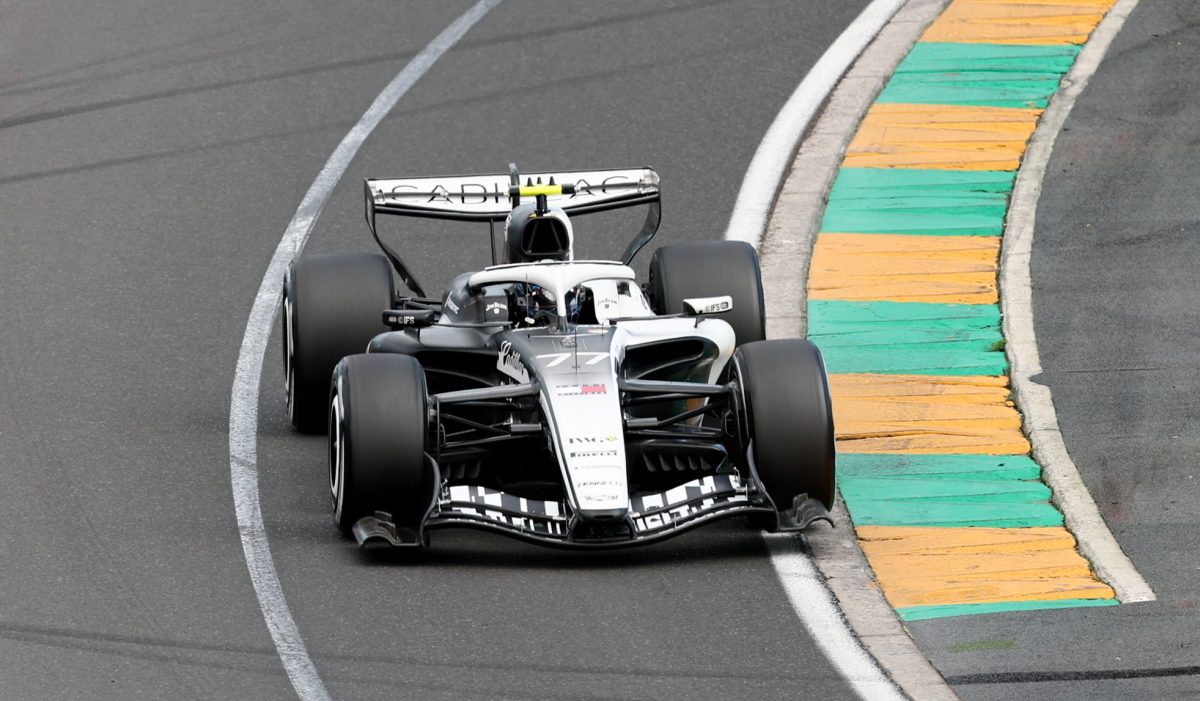
March will bring a fresh chapter for Formula 1, when the lineup grows to eleven teams for the first time since 2016, accompanied by sweeping regulation changes for chassis and power units. Leading this shift is the arrival of the Cadillac Formula 1 Team and Audi Formula 1 Team.
Cadillac steps back onto the Formula 1 stage – the biggest U.S. auto maker to run a team in decades. With General Motors standing behind it, the project is built to last, mixing American branding with skilled European racecraft. Ferrari will supply engines and gearboxes at first, giving Cadillac space to sharpen its own car frame without rushing into power unit work. Progress matters more than speed; early years aim at steady gains, not instant headlines. Fans across North America are watching more races now than ever. Interest in the sport is starting to show locally as well, in a survey of 100 RCHS students, 78 percent said they had at least heard of the sport. However, only half said they had ever seen a race. Students rated their interest at an average 2.6 out of 5, suggesting curiosity, but not a regular following.
Right away, Audi does it another way – reforming the pre-existing Sauber in its own image. Right from the start, they gain access to equipment, staff, and existing know-how, yet still will have the room to steer things their own way. Instead of using the phased engine plan like Cadillac, Audi will show up using an entirely new powertrain built for the 2026 regulations.
Now arriving at once, their entry lines up with fresh rules meant to shrink the performance gap in a bid to give weaker teams a shot at better results. Twenty-two cars will line the grid, Cadillac picking experienced hands: Mexico’s Sergio Perez joins Finland’s Valtteri Bottas. On the other side, Audi will be keeping what worked before for Sauber, bringing forward Germany’s Nico Hulkenberg plus rising star Gabriel Borteleto from Brazil.