It is common knowledge that in weightlifting there are three basic exercises: the squat, the deadlift and the bench press. A common debate among the weightlifting community is which of the three is the greatest. As fall and winter sports begin their spring workouts athletes deserve to know which is the king exercise of the big three. In this article the three will be ranked by work done, appearance and risk for injury involved with the exercise.
The back squat is considered the core exercise for leg day. The movement heavily targets the quadriceps, glutes maximus and the hamstrings however also strain the abs, calves and some upper body for support and stabilization. A major benefit for athletes training legs with the squat is building muscles that increase speed and power in every sport.
Moving to the back muscles, the deadlift works the most muscles out of the three, targeting the hamstrings, glutes maximus, quadriceps erector spinae and core while also working your traps, lats and forearms. In addition to all of that targeted work, dozens of other smaller muscle groups all around the body are used to stabilize during the lift making this a full body exercise. The deadlift engages several muscle groups that are used in active fluid movements making it an undeniably vital exercise for athletes in sports that require quick running starts.
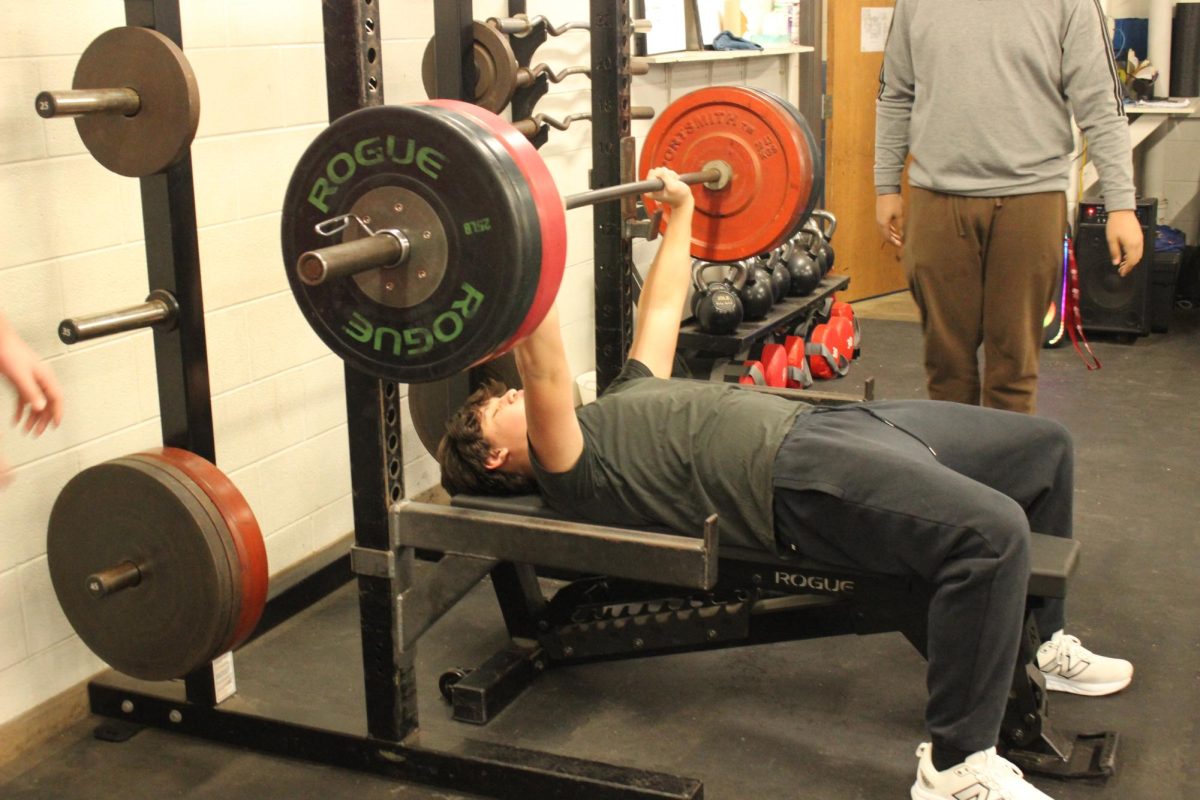
Finally, bench press is the most focused exercise, targeting the pectorals deltoids and triceps with few stabilizing muscle groups used. However this is because it is working much smaller muscle groups when compared to the other two lifts. Its main benefit for high school athletes is its help building the triceps and shoulders involved in throwing.
This crowns the deadlift the winner of the work done category with the squat right behind it.
In the 1960s-80s, bodybuilding was in its prime with athletes such as Arnold Schwarzenegger, Tom Platz and Frank Zane. Each athlete, while similar, had their own specific group they excelled.
Platz, also known as the “Quadfather” for his highly developed and large legs, paved the way for how legs would be trained for years with the back squat becoming not just a staple but the foundation for a good leg day.
On the other end, the bench press earned renown as the core of chest day with bodybuilders like Schwarzenegger being world famous for his chest winning Mr.Olymipa several times.
In last place in terms of appearance is the deadlift, with it playing more of a supporting role developing the back and legs. However even with that, bodybuilders such as Phil Heath and Ronnie Coleman made headlines with their backs winning several Mr.Olympias respectively.
In the appearance category the bench press takes first, followed closely again by the squat.
In all athletics there is a risk of injury, but in weightlifting bad form and over zealousness are common causes for injuries.
The most injury prone exercise is the bench press. It is a highly targeted exercise isolating the chest and shoulders that limits the amount of muscle groups that can help stabilize. Injuries often occur in the shoulder where the movement occurs for the exercise. Another risk with bench is the bar falling onto your chest or neck causing serious injury or death.
The second most injury prone exercise out of the three is the deadlift, with injuries occurring in the back with a dick bulge, tears in the knees and potential shoulder injuries due to improper form.
The back squat is the least risky exercise out of the three. This is because unlike the others you can use safety bars in the squat rack and they prevent many serious injuries. However, the exercise still has a risk for damage if improper form is used, places to watch out for include the knees and hips.
This means that squat wins the risk category followed by the deadlift.
Gathering all this data it is safe to say that the squat can be crowned the greatest of the three coming in second in the work done and appearance categories and first in the risk category being the safest of the three. That in addition to its overall benefits for athletics completely solidifies its position as the king exercise.