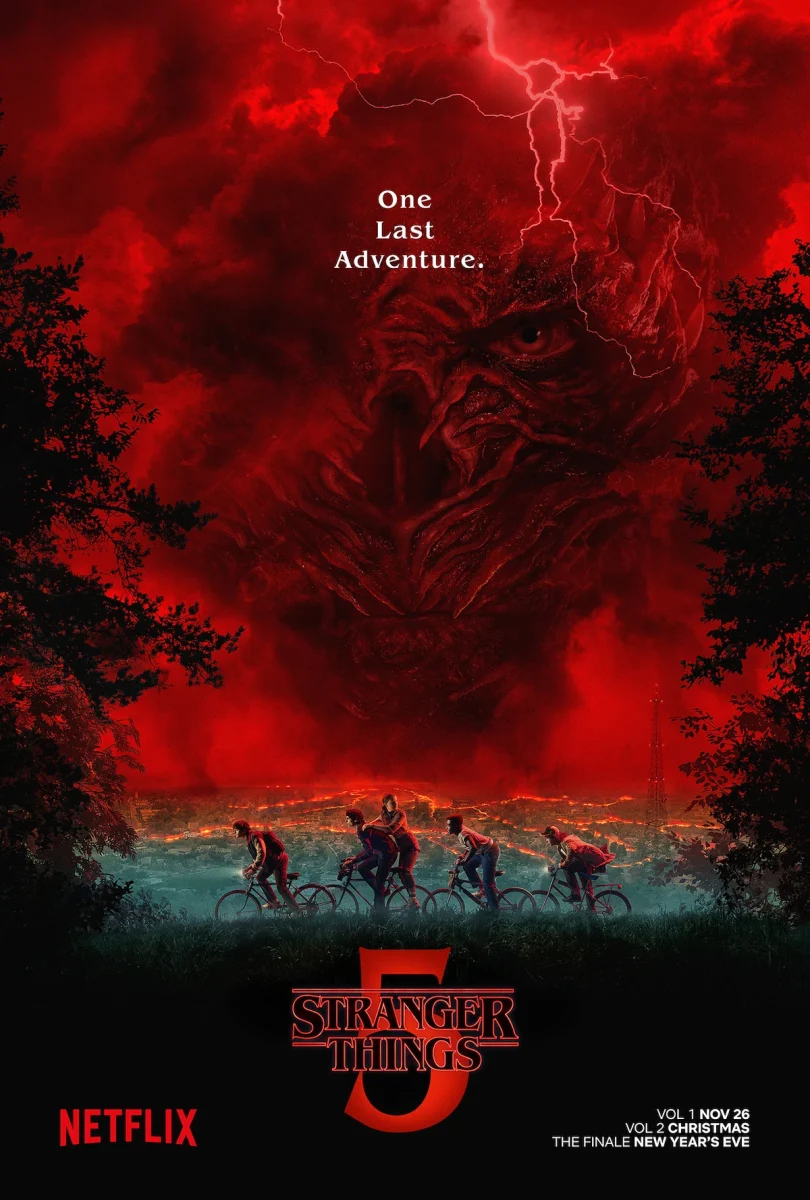
When “Stranger Things” wrapped up its decade-long run with season five, viewers expected answers. Instead, the series finale left many fans with as many questions, and official explanations from the show’s creators stirred more controversy than clarity.
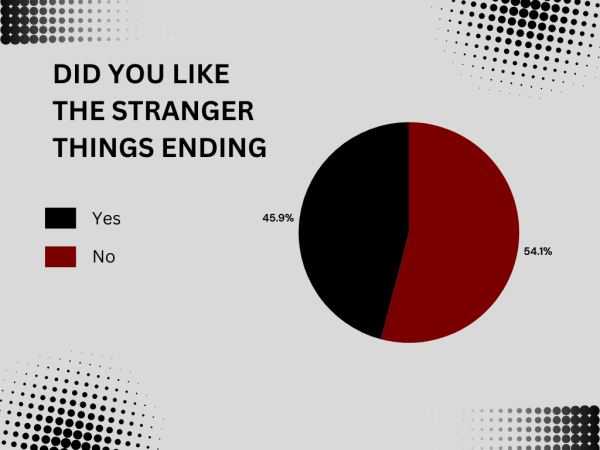
After the finale aired on New Year’s Eve, discussions quickly changed from appreciating the emotional moments to debating what didn’t make sense, both on-screen and off. While “Stranger Things” has always thrived on mystery, certain narrative choices struck many fans as contradictions or lazy incomplete storytelling.
One of the most talked about issues was the absence of creatures like demogorgons in the Abyss during the final battle. Earlier seasons established these monsters as a core threat, they were the Mind Flayer’s “army.” Yet in the finale, they are nowhere to be seen. Fans expected them to defend Vecna’s stronghold. The missing demogorgons made the heroes’ attack feel unusually easy and underwhelming.
When asked about this in interviews, the Duffer Brothers offered an explanation that many found unsatisfying. They claimed Vecna hadn’t anticipated a “sneak attack” and therefore didn’t deploy monsters, even though he had prior warning of the heroes’ plan. As “Forbes” columnist Paul Tassi pointed out, that reasoning “doesn’t track,” and the creators’ responses were criticized as “awful” because they seemed to ignore more logical interpretations fans already had.
Some of the most intense fan discussion took place online. Viewers detailed additional inconsistencies, why Eleven’s fate remains ambiguous, why key characters survive without consequence, and why the series failed to explain certain lore points introduced in earlier seasons. Many fans think these plot holes are seen as oversights rather than intentional mysteries.
The Duffer Brothers themselves have acknowledged the backlash, including signaling in interviews that they regretted trying to answer public questions immediately after the finale because they were exhausted and unprepared. Even one co-creator admitted they shouldn’t have responded when they were feeling ill, implying that some explanations were hastily offered.
Ultimately, the legacy of “Stranger Things” season five may not depend on whether every plot question was answered, but on how future spin-offs or prequels expand the story. For a series that captivated global audiences for nearly a decade, the debate over what counts as a genuine plot hole versus intentional storytelling has become part of its legacy, one that fans will likely revisit for years to come.